

Quick SUMMARY
Weeks of hot, absent weather can leave a pond layered, and warmer oxygenated water sits near the surface and the cooler low oxygen water lies below. A sudden cold rain or strong wind storm can mix those layers and pull dissolved oxygen down throughout the pond. A shrinking pond creates a second risk: the same fish, nutrients, and waste are crowded into a smaller volume of water, and that will heat more quickly. Prepare with correctly sized, consistently operated aeration and early-morning monitoring. If fish are gasping now, treat it as an oxygen emergency: create safe surface agitation immediately, stop feeding and nonessential treatments, and contact a fisheries professional.
A cool rain after a punishing stretch of heat may feel like relief. But for a pond, it can be the moment it changes for the worst. The rain itself is not automatically harmful, and not every storm causes a bad turnover. The danger is highest when a pond has already stratified and the lower layer has lost much of its oxygen.
Drought creates a different-looking problem with a similar endpoint. As the waterline falls, water warms up more easily, fish become crowded, and oxygen demand rises. The right response begins with identifying which problem is in front of you. And then you can act in the correct order.
If fish are gasping at the surface right now
Do not wait for a routine pond treatment or a shipped product. Equip your pond with any surface aeration method that splashes water into the air to oxygenate, stop/slow fish feeding, and call a local state fisheries agency, or an OWS pond professional for specific help on what to buy. Contact Here
Do not enter the water, you cannot just assume the low oxygen is the only possible cause. There could've been the following other contaminations occurred: a chemical spill, manure runoff, pesticide exposure, etc.
First, identify the pattern you are seeing
Turnover, drought, pond leak, algae die-off, or contamination can all share similar warning signs often confused. Use the observation table below as clues and not a final diagnosis.
| What you observe | What it may mean | First priority |
|---|---|---|
| Fish gulping at the surface around sunrise or crowding near an inflow or aerator | Likely low dissolved oxygen | Begin safe emergency surface aeration and get expert help |
| Water suddenly turns brown, gray, black, or unusually murky after a cold front, hard rain, or sustained wind | Possible turnover or algae die-off | Check fish at once; test dissolved oxygen at dawn. If equipment is not available then call a pond expert. Contact Here |
| Waterline falls during extended heat and little rainfall; nearby ponds show a similar pattern | Drought, evaporation, and reduced runoff are likely contributors | Protect oxygen, reduce fish stress, and track the rate of loss |
| Persistent wet area below the dam, flow near a pipe, animal burrows, or a level that drops rapidly after each refill | A leak or structural problem may be involved | Document the pattern and inspect the dam, spillway, and penetrations before choosing a repair |
| Fish die over several days, only one species is affected, lesions are visible, or wildlife is also sick or dead | Disease, water chemistry, or contamination may be involved | Contact a fisheries or environmental professional and restrict pond-water use until the cause is assessed |
Prepare before the next cold front: make aeration part of the plan
The best time to reduce turnover risk is before fish are in distress. Properly sized aeration can keep water moving and limit the formation of a large oxygen-poor bottom layer. The word properly matters! The pond area, depth, shape, organic load, fish load, climate, diffuser placement, power source, and operating schedule all affect performance. Call or contact us here for any help.
Preventive circulation and emergency oxygenation are related, but they are not the same job:
| Goal | Typical approach | Important limit |
|---|---|---|
| Prevent stratification and routine oxygen problems | A correctly sized diffused-air or circulation system operated consistently before and through high-risk weather | A system cannot protect water it does not circulate; placement and runtime must match the pond |
| Create an oxygen refuge during an active crisis | Surface agitation that throws, sprays, or splashes water into contact with air | It may save some fish but may not restore the whole pond immediately |
If a deep pond has been hot and calm for weeks and has not been aerated, do not assume that placing a new diffuser on the bottom and running it at full output is the safest emergency response. Rapidly mixing a strongly stratified pond can distribute oxygen-poor bottom water. Ask OWS or a fisheries professional for a pond-specific startup plan. If fish are already gasping, prioritize safe surface oxygenation while you get guidance.
A practical preparation checklist
- Watch the weather sequence, not only the temperature. Prolonged heat and calm followed by cold rain or strong wind deserves closer monitoring.
- Inspect the entire aeration system. Check power, air intake, filters, airline, diffusers, floats, mooring, and visible circulation before a storm arrives.
- Plan for the hours of greatest risk. Dissolved oxygen is commonly lowest near sunrise. Wind-powered equipment may produce less air during hot, still weather, and a daytime-only solar system may not cover the pre-dawn window without stored power.
- Check the pond early in the morning. Look for fish at the surface, unusual color, new odor, or fish collecting near inflows and moving water.
- Reduce avoidable oxygen demand. Do not overfeed or overstock fish. Keep manure, fertilizer, grass clippings, and other organic material out of runoff.
- Have an emergency method ready. Know which surface aerator, pump-and-splash setup, safe power supply, and phone numbers you would use before fish begin gasping.
Need an aeration plan for your pond?
Compare OWS wind, solar, electric, diffused-air, and surface-aeration options, then confirm sizing and startup guidance for your pond’s depth, shape, fish load, and power access.
Compare Pond Aeration Ask a Pond ExpertHow heat followed by cold rain can cause pond turnover
During hot, calm weather, the sun warms the pond’s surface. That warmer water is less dense and can remain above the cooler bottom water. The surface layer receives oxygen from the atmosphere and photosynthesis. The lower layer is cut off from those sources while fish, microorganisms, and decomposing organic matter continue using oxygen.
Over time, the pond can develop two very different layers: usable oxygen near the top and little oxygen near the bottom. A heavy cold rain cools and adds weight to the surface water. Sustained wind can add mixing energy. If the layers mix quickly, the limited oxygen from the upper layer is spread through a much larger volume of oxygen-demanding water. Dissolved oxygen can then fall throughout the pond.
That is why the storm is often the trigger, not the whole cause. The vulnerability was built during the hot, calm period beforehand. Rain volume and temperature, wind, pond depth, algae density, organic matter, and the strength of stratification all affect the result.
Warning signs to take seriously
- Fish gulping or “piping” at the surface, especially around sunrise
- Fish crowding near an inflow, fountain, aerator, or other moving water
- A sudden change from green water to brown, gray, black, or unusually murky water
- A new swampy or rotten-egg odor after a mixing event
- Large fish becoming distressed or dying before smaller fish
A dissolved-oxygen meter or fresh field test kit is more reliable than appearance alone. Test near sunrise, when oxygen is normally lowest. Fish species and life stages differ, so there is no single safe cutoff for every pond; as a general reference, prolonged dissolved oxygen below about 3 mg/L is stressful, and brief exposure below about 1 mg/L is often lethal.
What to do if a turnover or oxygen crash may be happening
- Create surface agitation immediately - without putting yourself in danger. Use equipment designed to splash, spray, or circulate water at the surface and return oxygenated water to the pond. The immediate objective is a refuge where fish can gather, not a promise that the entire pond will recover at once.
- Stop feeding. Stressed fish may not eat, and uneaten feed adds waste and oxygen demand. Resume gradually only after fish behavior and water quality return to normal.
- Pause nonessential pond treatments. Do not apply an herbicide or algaecide during a low-oxygen event; rapidly dying vegetation can make oxygen demand worse. Delay bacteria, fertilizer, and other nonemergency additions until conditions are stable and the label or a qualified professional supports their use.
- Look for evidence that this is more than low oxygen. Note recent pesticide, fertilizer, manure, fuel, or chemical exposure. If livestock, pets, amphibians, birds, or other wildlife are affected, restrict access and contact the appropriate environmental or animal-health authority.
- Document the event. Record the time, weather, water color, odor, fish species and sizes affected, water temperature, dissolved oxygen if available, and photos. This information helps a fisheries professional distinguish oxygen depletion from disease or contamination.
- Get local help. Contact your county or state Extension office, state fisheries agency, or a qualified pond manager. After a significant kill, the surviving fish population may need assessment before restocking or harvest decisions are made.
Where a surface aerator fits
University Extension guidance distinguishes emergency surface oxygenation from long-term de-stratification. A product such as the OWS Aquarian Pro is designed to create surface agitation and oxygen transfer, but horsepower, voltage, minimum depth, coverage, placement, and safe electrical access still have to fit the site.
Review the Aquarian Pro surface aeratorWhat to do when your pond is drying up
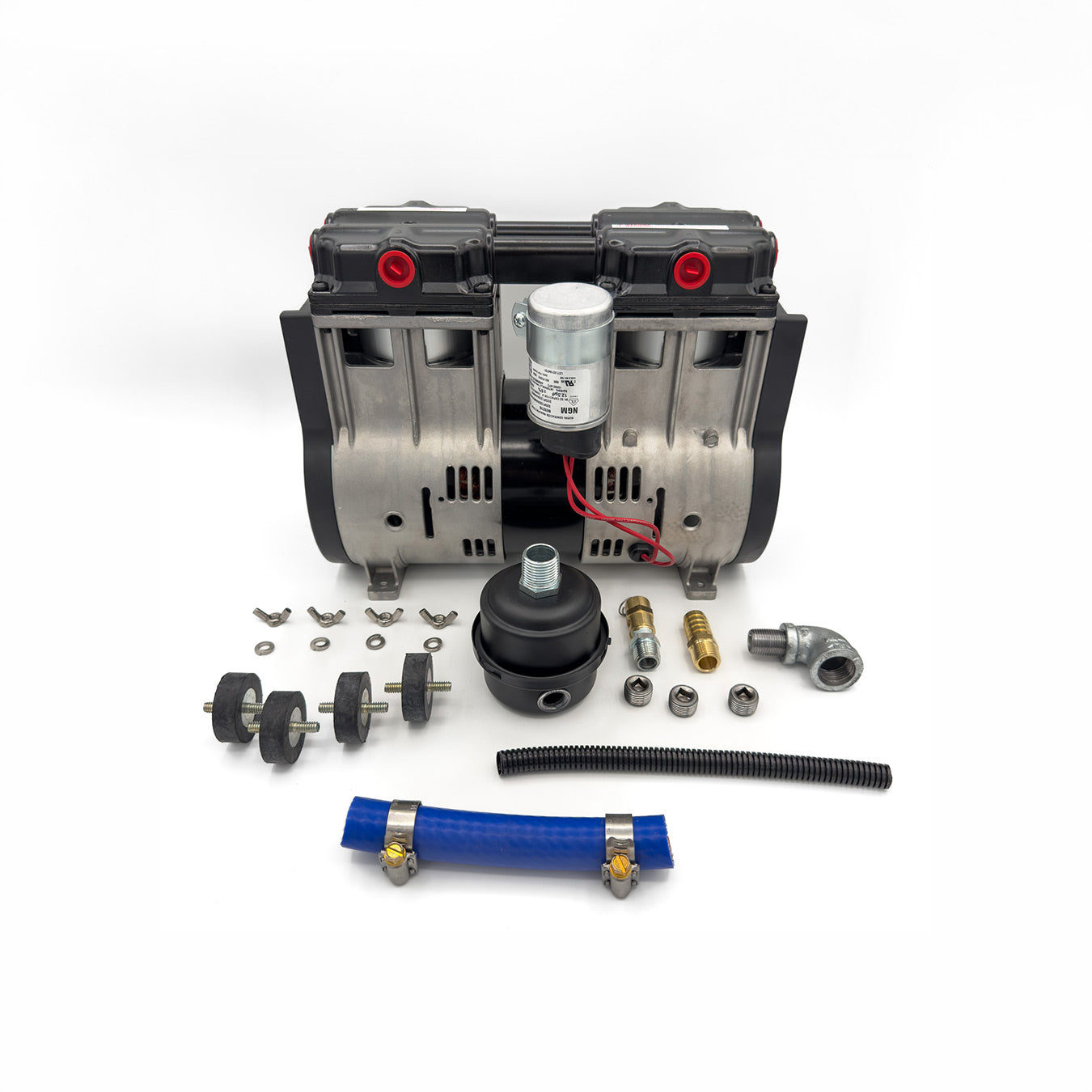
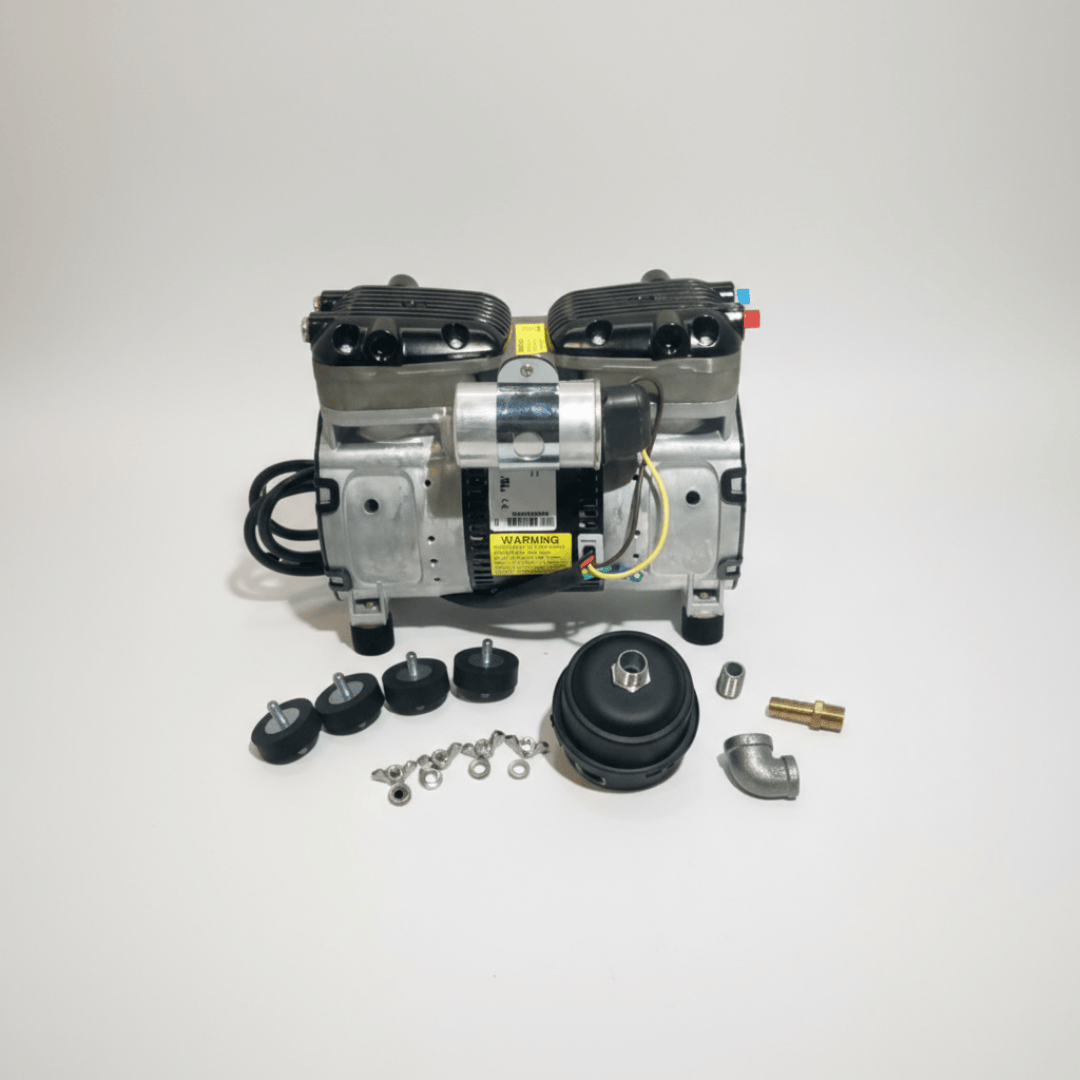
Low water is not only a shoreline problem. Less water means less total oxygen. The remaining water can heat faster, fish are confined to less space, and ammonia, carbon dioxide, nutrients, and organic waste become more concentrated. Less water also means you need to turn off and pull out any fountains to protect them from running past their minimum depth. If you discover an issue with your equipment, we offer a variety of replacement parts and maintenance kits.
For windmill parts, see here. For general maintenance kits, see here.
| Options | 1/4 HP Maintenance Kit | 1/2 HP Maintenance Kit | 3/4 HP Maintenance Kit | 1 HP Maintenance Kit |
|---|---|---|---|---|
 Thomas Thomas
|
 |
 |
|
|
 Gast Gast
|
 |
 |
 |
|
 Matala Matala
|
 |
 |
|
1. Track the water loss before naming the cause
Place a marked stake or use a fixed dock or spillway reference and record the waterline at the same time each day. Log rainfall, inflow, irrigation withdrawals, and unusual weather. Compare the trend with nearby ponds when possible.
Walk the dam and shoreline safely. Look for saturated soil or flowing water below the dam, erosion, animal burrows, sinkholes, cracked soil, damaged pipes, and leakage around outlet structures. A pond that repeatedly falls to the same elevation and then stabilizes may have a leak near that level, but this is a clue, not proof.
2. Protect water quality and fish first
- Increase appropriate aeration and pay special attention from overnight through early morning.
- Stop or sharply reduce supplemental feeding when fish stop eating, water is extremely hot, or oxygen is low.
- Do not apply aquatic herbicides during severe drought or an oxygen crisis.
- Keep livestock from wading in the remaining pool, where they can add manure, increase turbidity, and further stress fish.
- Observe the pond daily and check fish at dawn. Conditions can change faster as volume declines.
- If the pond is clearly headed toward an unsustainable level, ask a fisheries professional about lawful harvest or population reduction before fish become too stressed to handle.
3. Be careful with replacement water
Adding water is not a universal fix. A source may be too limited, too warm, low in oxygen, contaminated, chemically different, or restricted by local water rules. Municipal water may contain chlorine or chloramine. If a suitable and legal source is available, get local guidance on volume, chemistry, temperature, and how to introduce it with oxygenation rather than creating another abrupt change.
4. Treat a confirmed leak as a separate project
A pond sealer does not replace emergency aeration, and it cannot correct drought or an undersized watershed. First separate ordinary seasonal loss from active seepage or structural failure. If the evidence supports an active leak in an earthen pond, OWS Soilfloc may be a repair path. The current product guidance says it is applied through the water, works best while a pond is full and actively leaking, and is not designed for synthetic liners or concrete. Confirm compatibility, coverage, application conditions, and current directions before ordering.
Diagnose the water-loss pattern first. If active seepage in an earthen pond is the likely cause, review current Soilfloc guidance and coverage or talk with OWS before treatment.
Can you move fish to save them?
Sometimes yes, but relocation should not be the first do-it-yourself response. Fish already stressed by heat or low oxygen may not survive capture and transport. Moving fish can also spread disease, parasites, or invasive species, and transferring game fish or releasing fish into public water may require authorization or be prohibited.
Contact your state fish and wildlife agency, local Extension office, or a fisheries biologist before moving fish between water bodies. Depending on pond ownership, species, local rules, fish condition, and the suitability of the receiving water, the better plan may be lawful harvest, professional relocation, temporary holding for ornamental fish, or accepting a limited loss and rebuilding the population after water returns.
Never dump pond fish into a creek, river, lake, drainage ditch, or someone else’s pond. If a professional recommends temporary holding for ornamental fish, the holding system needs adequate volume, continuous aeration, water-quality control, shade, secure containment, and careful temperature acclimation. A livestock tank full of hot, unaerated water is not a rescue system.
What not to do when fish are stressed
- Do not assume every post-storm fish problem is a turnover; contamination and disease require different action.
- Do not kill a large algae or plant mass during a low-oxygen event.
- Do not keep feeding fish that have stopped eating.
- Do not start a new bottom-diffused system at full output in a strongly stratified pond without a startup plan.
- Do not assume all falling water is a leak or that a sealer can fix drought.
- Do not move fish to another water body without professional and legal guidance.
- Do not enter the pond or use unsafe extension cords, pumps, or electrical connections during an emergency.
Frequently asked questions
Does every sudden cold rain cause a pond turnover?
No. The risk depends on whether the pond is stratified, how oxygen-poor the bottom layer has become, and how much mixing the rain and wind create. A cold storm after weeks of hot, calm weather is a reason to inspect the pond but it's not proof that a turnover has occurred.
Why are fish gasping early in the morning?
Plants and algae produce oxygen in daylight but use oxygen at night along with fish and microorganisms. Oxygen is therefore often lowest around sunrise. Surface gasping at that time is an emergency warning sign.
Should I turn on my bottom aerator during a turnover?
If a properly sized system is already operating under its established plan, follow its manufacturer guidance. If the pond has not been aerated and may be strongly stratified, do not automatically start a new bottom diffuser at full output. Rapid mixing may distribute oxygen-poor water. Use safe surface oxygenation for an active emergency and get pond-specific startup advice.
Can aeration guarantee that I will not lose fish?
No. Proper aeration can substantially reduce risk and may create a refuge during low oxygen, but performance depends on sizing, placement, runtime, power reliability, pond conditions, and the cause of the fish stress.
Should I feed fish when the pond is very low?
Do not continue a normal feeding routine when water is extremely hot, fish are not eating, or oxygen is low. Uneaten feed degrades water quality. Resume carefully only after conditions stabilize.
How do I know whether low water is drought or a leak?
Track the level against rainfall and nearby ponds, then inspect the dam, pipe penetrations, shoreline, and area below the dam. Persistent wet spots, flowing water, burrows, rapid loss after refilling, or a repeated stopping elevation can point toward leakage, but a qualified inspection is the best way to confirm the cause.
Can I move my fish into a neighbor’s pond?
Do not move them without permission and guidance from the appropriate fisheries authority. Fish may be too stressed to survive transport, the receiving pond may not be suitable, and legal, disease, or invasive-species restrictions may apply.
Build the plan before the weather changes again
OWS can help separate routine circulation, emergency surface aeration, and confirmed leak repair and match the next step of your pond rather than forcing one product into every problem.
Talk With a Pond Expert Continue to the Fall ChecklistTechnical sources
This guide was reviewed against university Extension and fisheries-agency guidance. Site conditions and regulations vary, so local professional advice should take priority during an active fish kill, suspected contamination, or fish-relocation decision.
- Mississippi State University Extension: Fish Kills
- Oklahoma State University Extension: Fish Kills
- University of Missouri Extension: Managing Fish Ponds During an Extended Drought
- Kentucky State University: Aeration and Water De-stratification in Recreational Ponds
- Mississippi State University Extension: Feeding Fish
- Idaho Fish and Game: Drought, Heat, and Fish-Management Decisions
This article provides general pond-management information, not an emergency-response guarantee. Product specifications and guidance can change. Confirm current product pages, manuals, labels, electrical requirements, and local laws before installing equipment, treating water, harvesting fish, or moving aquatic life.